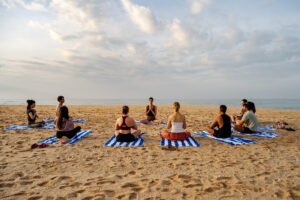
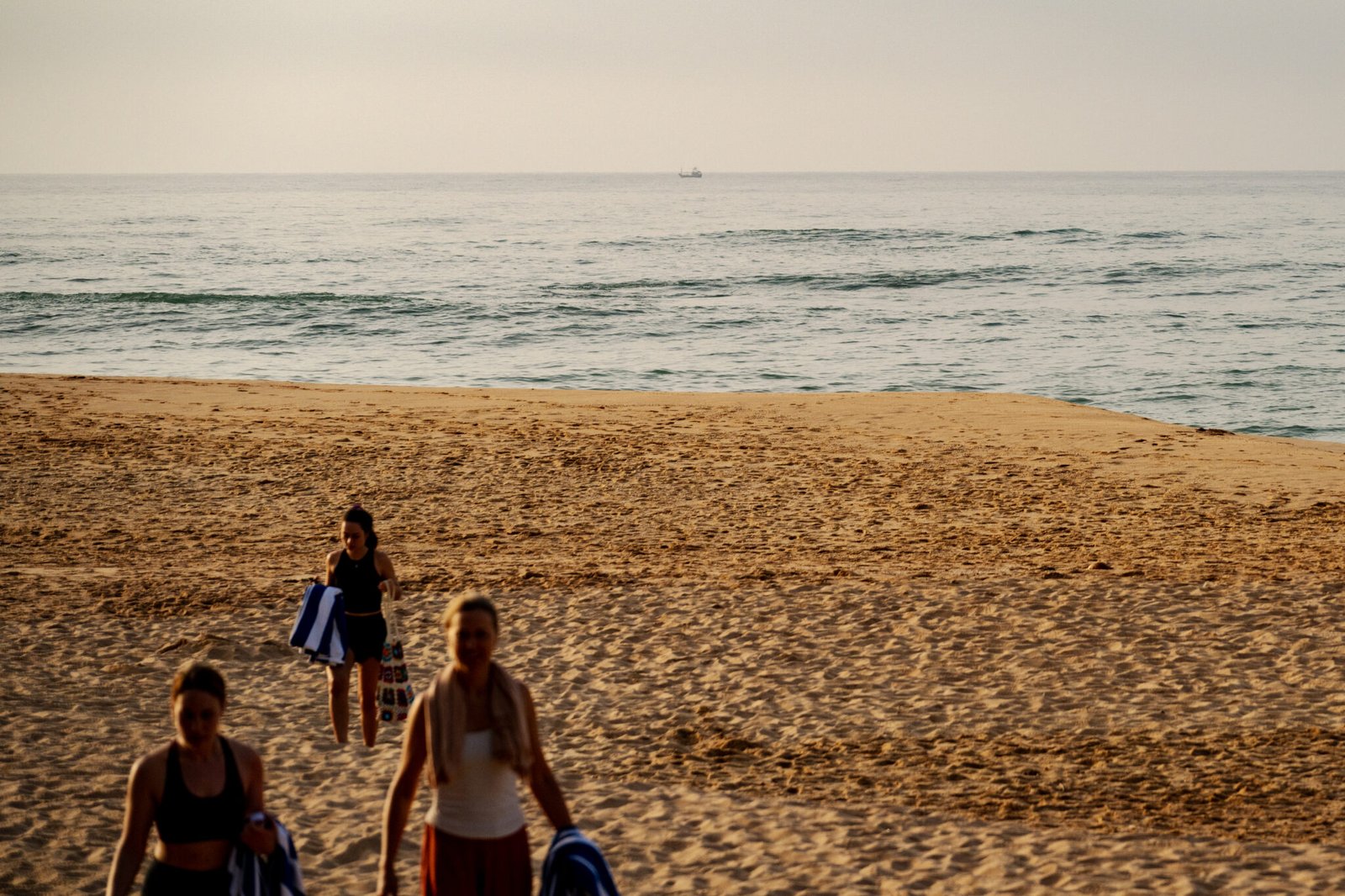
Rekawa Beach is not the kind of place that asks you to do very much. On Sri Lanka’s southern coast, near Tangalle, the mood is more open shoreline than busy beach strip: long sand, coastal vegetation, shifting light and the steady sound of the Indian Ocean. It is a place to walk slowly, notice the weather, and leave room in the day for whatever the coast offers.
For many visitors, Rekawa is also associated with sea turtles. That makes a visit special — and it calls for care. The beach is a nesting habitat, not a guaranteed wildlife performance. A respectful evening with a community-led conservation organisation can be memorable whether or not a turtle appears; a rushed search for a photograph is rarely good for visitors or wildlife.
This guide explains what to expect, how to reach the area and how to plan an unhurried stay. Use it as a starting point, then confirm the practical details close to travel, especially if you are visiting in wet weather or hoping to join an evening turtle watch.
Where is Rekawa Beach?
Rekawa is on Sri Lanka’s south coast, close to Tangalle in Hambantota District. The Turtle Conservation Project’s overview describes Rekawa as a fishing village about eight kilometres from Tangalle town and identifies the beach as an important nesting area for sea turtles.
The surrounding character matters. This is not a dense resort town with a promenade, rows of sun loungers and every convenience at your fingertips. It is a coastal community set among beach, lagoon, paddy fields and vegetation. That relative simplicity is part of the appeal, but it also means planning transport, drinking water, cash and evening arrangements ahead of time is sensible.
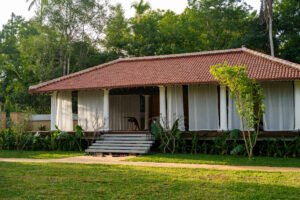
Rekawa Wellness Resort is on Rekawa Road, near Tangalle. Its current Bespoke Retreats page describes the setting as being within a protected nature reserve and roughly a five-minute walk from the turtle-nesting beach. Treat that as a resort-to-beach orientation only: the best walking route, surface conditions and accessibility should be checked with the team on the day you arrive.
What is Rekawa Beach like?
The simple answer is: natural, spacious and less hurried than many better-known south-coast stops. The beach is best appreciated for its sense of space rather than for a tightly packed list of facilities. Morning can be lovely for a walk before the day warms; later in the afternoon, the light softens and the beach takes on a quieter, more contemplative feel.
Come with the right expectations. You may find stretches of open sand, shade from vegetation nearby, local fishing activity and the occasional small business or accommodation rather than a continuous line of cafés. Facilities can change by location and season. Pack water, sun protection, a cover-up, insect repellent for evening and a charged phone; take rubbish away with you if bins are not available.
Can you swim at Rekawa Beach?
Treat the ocean with respect. Sea conditions can change quickly with tides, currents, weather and season, and a quiet-looking shore is not a safety guarantee. This guide does not make a blanket recommendation about swimming at Rekawa Beach.
If you are considering entering the water, ask locally on the day, observe conditions carefully, keep well within your ability and never assume that a beach is supervised. Do not swim alone, after dark, or in rough seas. Families with children should be especially cautious. Sometimes the best use of a wild beach is simply a long walk, a view of the horizon and a swim in a pool elsewhere.
Is it good for a beach day?
Yes, if your idea of a beach day is spacious and self-directed. Rekawa lends itself to reading under shade, watching the changing sea, walking at a gentle pace and returning to your accommodation for lunch or rest. It is less suited to travellers seeking constant service, water-sports operators or a lively bar scene immediately behind the sand.
If you would like to pair the coast with a slower wellness day, the current Rekawa Wellness Café page says day visitors are welcome and lists daily opening hours of 8am to 8pm. Confirm same-day availability for classes, treatments and food rather than building a fixed itinerary around them.
Turtle watching at Rekawa: how to do it respectfully
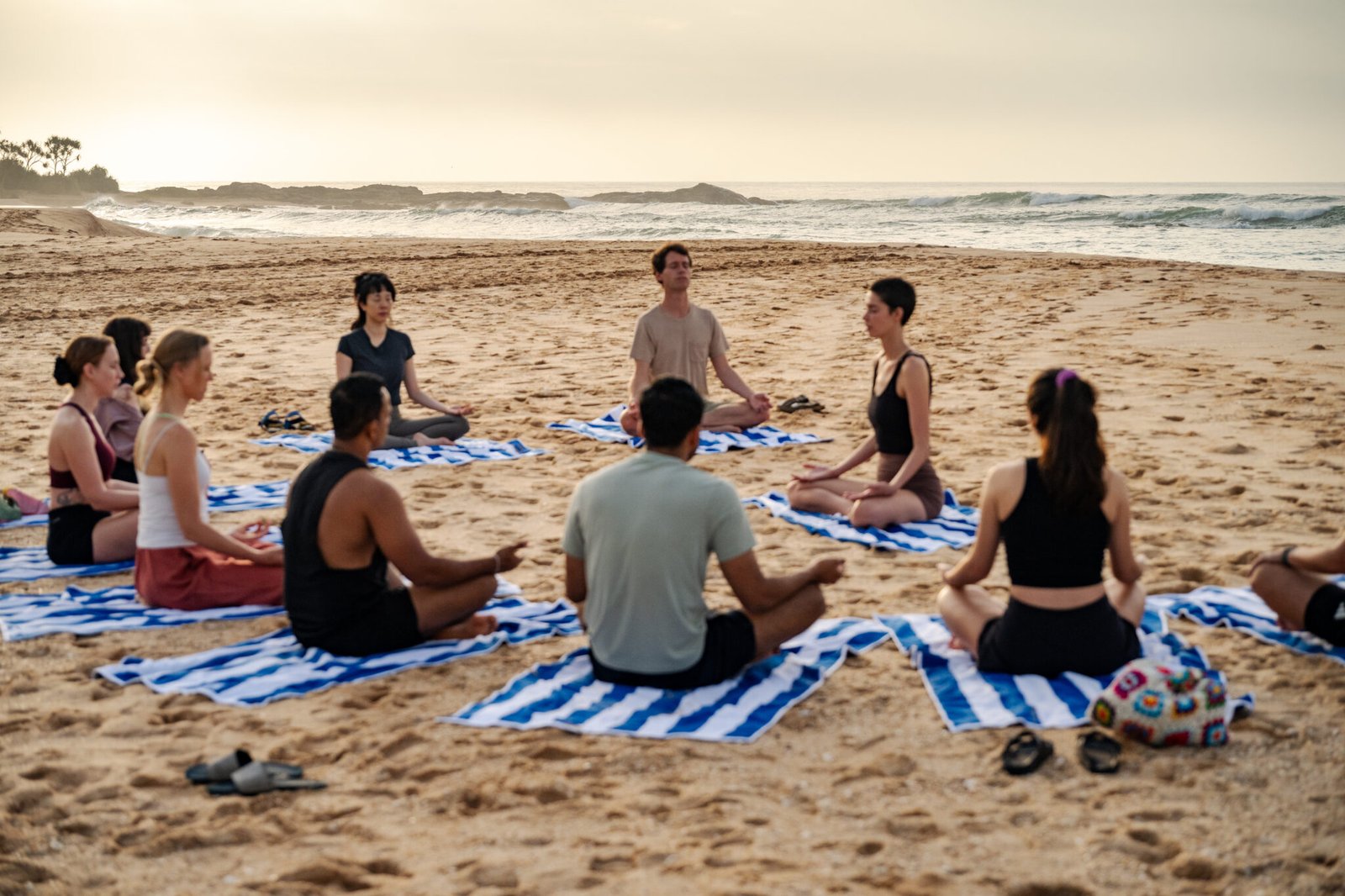
The most meaningful way to encounter turtles is to support a conservation-led visit, follow the guide’s instructions and accept that wildlife operates on its own time. The Sri Lankan Department of Wildlife Conservation lists Rekawa under marine tourism for turtle watching, while the local Turtle Conservation Project explains its long-running community-based work in the area.
The project is clear that natural behaviour comes first. Its visitor guidance says: “No flash photography or flash lights are allowed.” Read the full Turtle Watch visitor instructions before you go, because rules and arrangements can change.
What to expect on an evening visit
An ethical turtle watch is quiet, patient and led by people who understand the beach. You may wait. You may hear an explanation of the conservation work. You may see tracks or learn about nesting without seeing an animal. That is still a worthwhile encounter when it supports a local effort to protect the habitat.
The Turtle Conservation Project’s information advises visitors to use the Visitor Centre and follow local guides for night-time beach access. It also warns that hatchling encounters should not be manufactured. Do not ask staff or guides to produce a turtle or bring hatchlings out for photographs. Avoid touching animals, shining a torch towards the beach, crowding a nesting turtle or leaving any litter behind.
A few good wildlife-watch habits
- Book or enquire through an established local conservation organisation rather than an unverified roadside offer.
- Wear dark, comfortable clothing and footwear suitable for sand and uneven ground.
- Keep phones dimmed and torches off unless a guide directs otherwise.
- Follow the group size and distance rules set by the guide.
- Leave if you are asked to — protecting the animal comes before completing a visitor experience.
- Consider a donation or purchasing through the Visitor Centre if it directly supports community conservation work.
Will I definitely see turtles?
No. Nobody can responsibly promise a sighting. The Turtle Conservation Project notes that natural hatchings are not guaranteed and that some species are rare. Nature remains the author of the evening. Build your visit around learning and respect, not a checklist photograph.
Getting to Rekawa Beach from Tangalle and beyond
Tangalle is the most useful nearby reference point for many travellers. From there, private drivers, tuk-tuks and hired vehicles are commonly used, but prices, road conditions and timing vary. The Turtle Watch directions page provides a detailed route via Netolpitiya Junction and Rekawa Road; it is more reliable than copying turn-by-turn directions into a static article, so check it before departure.
If you arrive by tuk-tuk, agree the fare and return plan before leaving Tangalle, especially for an evening turtle watch. Mobile signal, weather, darkness and demand can all affect your trip home. If you are staying locally, ask your host whether a walk is suitable for your group at the specific time you plan to travel.
Where to stay if you want time at Rekawa Beach
The best base depends on the kind of stay you want. A hotel in Tangalle gives you more town services and a wider selection of restaurants. A stay nearer Rekawa gives you more time for the beach, an earlier morning walk and less travel after an evening turtle watch.
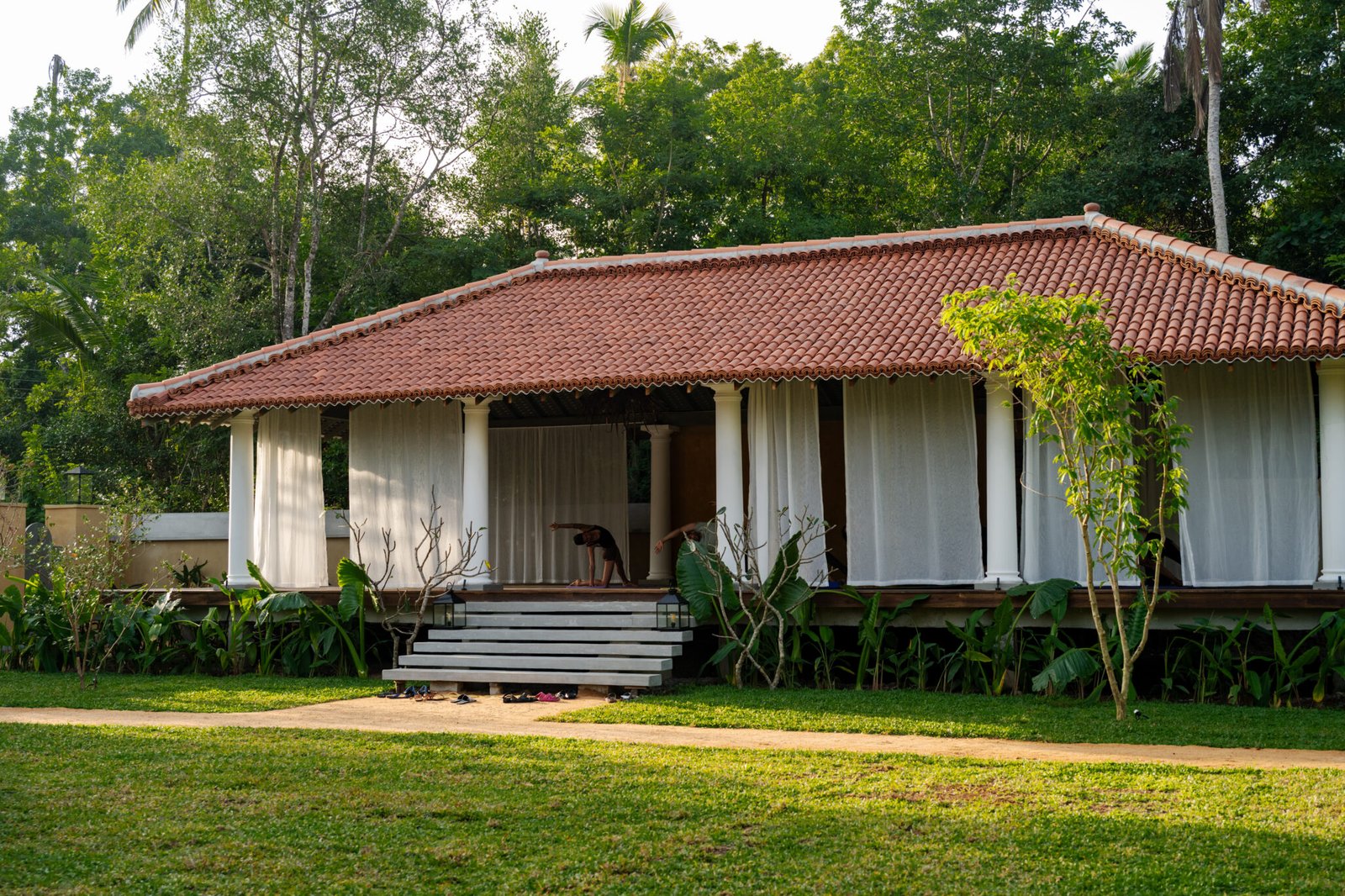
For guests who want wellness to form part of the trip, Rekawa’s Bespoke Retreats combine accommodation with Ayurveda, yoga, meditation and breathwork. The live page should be used for programme details; always enquire directly for room availability, accessibility needs and the current schedule.
Whichever property you choose, ask four practical questions:
- How will I get to and from an evening turtle watch?
- Is the route suitable for walking at the time I plan to use it?
- Can the property help arrange a trusted driver or tuk-tuk if needed?
- What is the plan if weather changes or an activity is cancelled?
A slower one-day Rekawa outline
There is no need to fill every hour. Try a rhythm like this:
Morning: walk and observe
Start early, before the heat becomes intense. Walk a short section of beach, watch from a respectful distance, and notice where the shoreline feels most comfortable for you. Return for breakfast rather than staying exposed all morning.
Midday: shade, food and rest
Use the hottest part of the day for lunch, reading, a nap or a gentle wellness activity. This is a good time to confirm your evening transport and check any turtle-watch arrangements.
Late afternoon: coast without an agenda
Return to the beach for softer light. Take photographs of the landscape, not wildlife at close range. Avoid setting up a long beach stay that risks leaving litter or disturbing nesting areas after dark.
Evening: conservation first
If you join a turtle watch, arrive with patience and follow the guide from start to finish. If you do not, enjoy a quiet dinner and an early night. Rekawa is not diminished by an unscripted evening; that is much of its point.
Before you go: a practical checklist
- Confirm the season, weather and sea conditions locally.
- Carry drinking water, sun protection and insect repellent.
- Take cash and a charged phone, but avoid using bright screens during a turtle watch.
- Check the conservation organisation’s latest visitor rules.
- Arrange return transport before sunset if you are not staying nearby.
- Keep distance from wildlife and leave no trace on the beach.
Rekawa Beach rewards a gentler kind of travel. It is a coast to listen to, not to conquer — a place where the most memorable part of the day may be the breeze through the palms, the long unbroken sand, or the feeling of having let the evening unfold on its own terms.
If you would like to combine a Rekawa Beach visit with a personalised stay focused on rest, movement and Ayurveda, the team can help you plan around your dates and needs.
Considering a slower south-coast escape? Send an enquiry to Rekawa Wellness Resort to discuss a stay near Rekawa Beach.