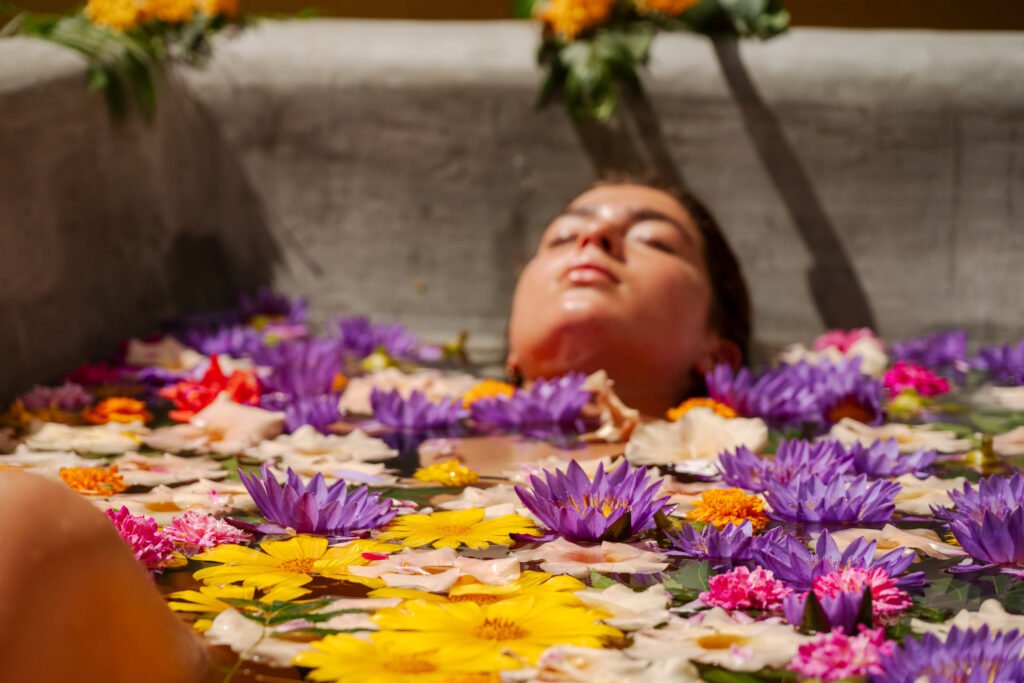
Why Women Are Turning to Ayurveda in 2026: The Wellness Shift Redefining Health
Why Women Are Turning to Ayurveda in 2026
Juice and Water Fasting Juice and Water Fasting | Detox & Cleanse | Sen Wellness Retreat Discover the benefits of a juice fast and water fasting at a Sen Wellness Retreat. Explore detox methods, juice cleanses, water fasts and healthy diets. What is a Juice Cleanse? A juice cleanse involves consuming only juice extracted from fruit and vegetables over a set period. It is a type of juice-based diet that has gained popularity in recent years. This fasting diet typically replaces solid foods with fresh juices made from a variety of fruits and vegetables, allowing the digestive system to rest while flooding the body with essential nutrients. Juice cleansing detoxifies the body, promoting the elimination of toxins and waste. Since vegetable juices and fruit juices are rich in antioxidants, vitamin C, and minerals, they provide a way to add nutrition while cutting out processed foods. A juice fast can vary in length, but typically lasts between one to five days, depending on individual goals and experience. Understanding the Water Fast: How it Works Water fasting involves abstaining from eating and drinking only water for a designated period. Unlike a juice fast, which provides calories and nutrients, water fasting is a more extreme method of detox that should be done under medical supervision, especially if undertaken for longer than 24–48 hours. During a water fast, after around 24 hours the body enters a state called autophagy—a condition in which the body begins to break down damaged cells and recycle them. This natural detoxification process, supported by scientific evidence, may offer various health benefits including preventing and responding to disease. However, fasting may also lead to side effects such as dizziness, dehydration, and low blood sugar if not properly managed. 5 Benefits of Juice and Water Fasting Both juice and water fasting can offer a wide range of benefits, especially when part of a balanced and intermittent fasting regimen. Here are five key advantages: Juice Fast vs Water Fast: Which to Choose? Choosing between a juice cleanse and a water fast depends on your health condition, fasting experience, and overall goals. Juice fasting can also offer a gentler, nutrient-rich alternative for those new to fasting. It still provides energy, vitamins, and hydration while supporting the detoxification process. Water fasting could be more appropriate for experienced individuals seeking deeper autophagy or spiritual clarity, though it should always be approached with caution. Without medical supervision, water fasting may not be a good idea for people with chronic health conditions or at risk of nutrient deficiencies. Ultimately, consulting a healthcare professional is vital before beginning either fasting method, especially if you plan to fast for longer than 24 hours. Preparing for Your Juice or Water Fast Proper preparation is crucial to avoid side effects and ensure you get the most from your fasting period. Begin by transitioning to a cleaner, plant-based diet at least two days before your fast. Focus on consuming a variety of fruits and vegetables, whole grains, and healthy fats. Gradually reduce your intake of caffeine, sugar, and processed foods. For a juice cleanse, make sure your juices are made from high-quality, organic produce to avoid pesticides. Preparing your body this way supports a smoother detox and minimises symptoms such as headaches, fatigue, and low blood sugar. Risks of Water Fasting: What You Need to Know While the benefits of water fasting are well-documented, there are side effects and risks to consider. Without calories, protein and other essential nutrients, the body begins to break down muscle for energy. This loss of muscle mass can affect strength, immunity, and metabolic rate. Other potential risks of water fasting include dehydration, low blood pressure, electrolyte imbalances, and a lack of glucose needed for brain function. Fasting could also worsen underlying health conditions, such as type 2 diabetes or kidney problems, particularly when done without medical guidance. Fasting diets should always be tailored to individual needs, and those with any health conditions must consult a medical professional before attempting a prolonged fasting regimen. How a Fasting Diet Can Improve Your Health Despite the risks, a well-structured juice or intermittent fasting diet can greatly support overall health. Fasting may help reduce body weight, lower blood sugar, and improve markers of inflammation. Additionally, fasting diets have been associated with better heart health, enhanced insulin sensitivity, and even cognitive improvement. Juice fasting, when combined with a variety of fruit and vegetable juices, provides antioxidants and phytonutrients that fight oxidative stress. While the weight loss may be rapid, incorporating fasting into a broader wellness lifestyle can help maintain those results over time. Moreover, intermittent fasting—where you alternate between eating and fasting periods—has shown promise in both animal and human studies for extending lifespan and reducing the risk of many chronic diseases. Tips for a Safe and Effective Juice Cleanse To get the most out of your juice cleanse, follow these safety tips: Remember, juice fasting can also be complemented with other wellness practices such as meditation, sauna, or massage to enhance the detox process. Fasting Programmes at Sen Wellness Sanctuary At Sen Wellness Sanctuary, we offer expertly designed juice and water fasting programmes that honour traditional wisdom and modern health principles. We use only juices made from organic, locally sourced ingredients, ensuring that each cleanse is rich in nutrients and tailored to individual needs. Whether you’re looking for a juice-only diet, an introduction to intermittent fasting, or a supervised water fast, our team provides personalised care and medical supervision when needed. A few of our popular programmes are: Each programme includes consultations, yoga sessions, Ayurvedic treatments, and supportive therapies to ensure your fasting experience is safe, nurturing, and effective. Many guests leave feeling lighter, clearer, and more energised, ready to embrace a healthier lifestyle. Conclusion Juice and water fasting can offer many health benefits when done responsibly and with the right support. Whether you’re detoxifying, managing weight, or seeking greater mental clarity, fasting may help you reset and revitalise. However, it’s essential to understand your body’s needs, consult a
Is July a Good Time to Visit Sri Lanka? Is July a Good Time to Visit Sri Lanka? Sri Lanka in August: Best time to visit Sri Lanka? Special Summer Offers on Yoga Retreats & Wellness Programmes. Sri Lanka in July/August: Best Time to Visit Sri Lanka? If you’re wondering whether July or August is a good time to visit Sri Lanka, the answer depends on what you’re looking for. Despite the island’s tropical climate and mid-year monsoon season, Sri Lanka remains a captivating destination during these months, offering lush landscapes, fewer crowds, and exclusive wellness programmes. This travel guide breaks down the weather, regional highlights, local events, and why this might be the perfect season for a rejuvenating holiday in Sri Lanka. Tips for Visiting Sri Lanka in July Before planning your holiday in Sri Lanka, it helps to understand the island’s unique geography and how it shapes the experience. Sri Lanka is a year-round travel destination thanks to its two distinct monsoon seasons, which affect opposite coasts at different times of the year. In July, the south and west coasts (including Colombo, Galle, and Mirissa) experience the southwest monsoon, which brings occasional rain. However, showers are typically short and followed by sunshine, so they rarely disrupt travel plans. Meanwhile, the east coast (like Arugam Bay and Trincomalee) enjoys dry, sunny weather, ideal for beach holidays and surf adventures. Travel Tips for July: Festivals and Events in Sri Lanka in July Cultural immersion is one of the best reasons to visit Sri Lanka, and July offers a glimpse into the island’s spiritual and celebratory side. Key Events in July: These festivals make July a fascinating time to visit Sri Lanka for culture lovers, though it’s advisable to book accommodation early, especially in Kandy. Sri Lankan July Weather The weather in Sri Lanka in July varies by region due to the island’s dual monsoon systems. Understanding this helps travellers make the most of their trip. Temperatures in Sri Lanka in July and August Across most of the island, daytime temperatures in July and August range from 28°C to 32°C. Even during rainy spells, the air remains warm and tropical. While rain is common in the southwest during July, it rarely lasts all day. Most travellers still enjoy their holiday in Sri Lanka with minimal disruptions. Special Summer Wellness Programmes One of the lesser-known joys of travelling to Sri Lanka in July is the availability of exclusive summer wellness retreats. Many retreat centres and luxury resorts offer special packages focused on healing, relaxation, and spiritual growth. From Ayurveda detoxes and yoga immersions to breathwork, meditation, and organic cuisine, the island’s wellness offerings are tailored to both new and experienced travellers. Why July Is Ideal for Wellness Visiting Sri Lanka in July offers a unique opportunity to embark on a deeply enriching wellness journey. While some travellers may shy away from the monsoon season, those seeking tranquillity, rejuvenation, and authentic healing will find this time especially rewarding. Here’s why: Moreover, the weather fosters slowness and stillness, encouraging you to turn inward, unplug from the outside world, and truly listen to your body’s needs. Whether it’s curling up with herbal tea after a detox treatment, journaling after a yoga class, or simply walking barefoot on the wet sand, every moment invites mindfulness. Ultimately, July in Sri Lanka offers the perfect environment for those yearning for more than just a holiday. It’s for the traveller seeking renewal – physically, emotionally, and spiritually. The peacefulness, the affordability, and the nurturing quality of the season combine to make it one of the best times to embark on a transformative wellness retreat. Sen Wellness Sanctuary: Summer Retreats on Sri Lanka’s South Coast Nestled on the edge of Rekawa Beach, Sen Wellness Sanctuary is a renowned retreat centre that thrives during the quiet months of July and August. Despite the monsoon in the south, it sits within the Rekawa Nature Reserve and has its own microclimate, with less rain compared to other areas of the island. The retreat’s serene setting and oceanfront pavilions offer a unique experience that many find deeply grounding and restorative. Yoga, Nature, and Healing At Sen Wellness Sanctuary, July marks a season of transformation, leaving the monsoon season behind. The sound of rain on palm leaves, the cooling sea breeze, and the absence of crowds create a perfect backdrop for inner work. Highlights include: While many travellers assume summer isn’t the best time to visit Sri Lanka, those who seek peace, detox, and reflection often find July and August their ideal months. The gentle rhythm of the South Coast, combined with holistic care, makes for a truly unforgettable escape. Final Thoughts: Should You Visit Sri Lanka in July or August? Sri Lanka in July or August might not offer uninterrupted sunshine on every coast, but for the informed traveller, it’s a hidden gem. Whether you’re chasing surf in the east, attending vibrant festivals in the cities, or seeking a tranquil healing retreat on the south coast, there’s something magical about this time to visit Sri Lanka. If you’re flexible and open to exploring different regions, July can be an ideal time to visit Sri Lanka, especially for those seeking authenticity, culture, and meaningful travel experiences. Don’t forget: nature is at its lushest, cultural events are in full swing, and wellness centres like Sen Wellness Sanctuaryoffer rare summer opportunities to reconnect with yourself.