Tangalle rewards people who do not try to conquer it. This is a stretch of Sri Lanka’s south coast best approached with enough blank space in the day: time to watch fishing boats return, to pause over a long lunch, to take a beach walk when the light softens, and to change plans when rain or the sea has other ideas.
The official Sri Lanka Tourism Tangalle guide places the town roughly 195 kilometres south of Colombo and 35 kilometres east of Matara. Those figures are helpful for orientation, not a guarantee of door-to-door travel time. Road conditions, traffic, weather and your starting point can all change the journey. Build in a generous arrival window and ask your accommodation for current route advice before you set out.
What follows is not a race through a checklist. It is a practical framework for choosing a few good things to do in and around Tangalle, then leaving enough room to actually enjoy them.
Begin with the coast, but read the sea
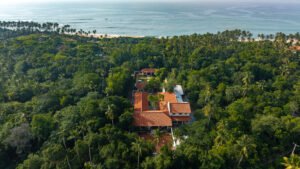
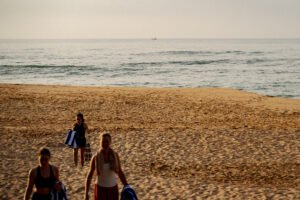
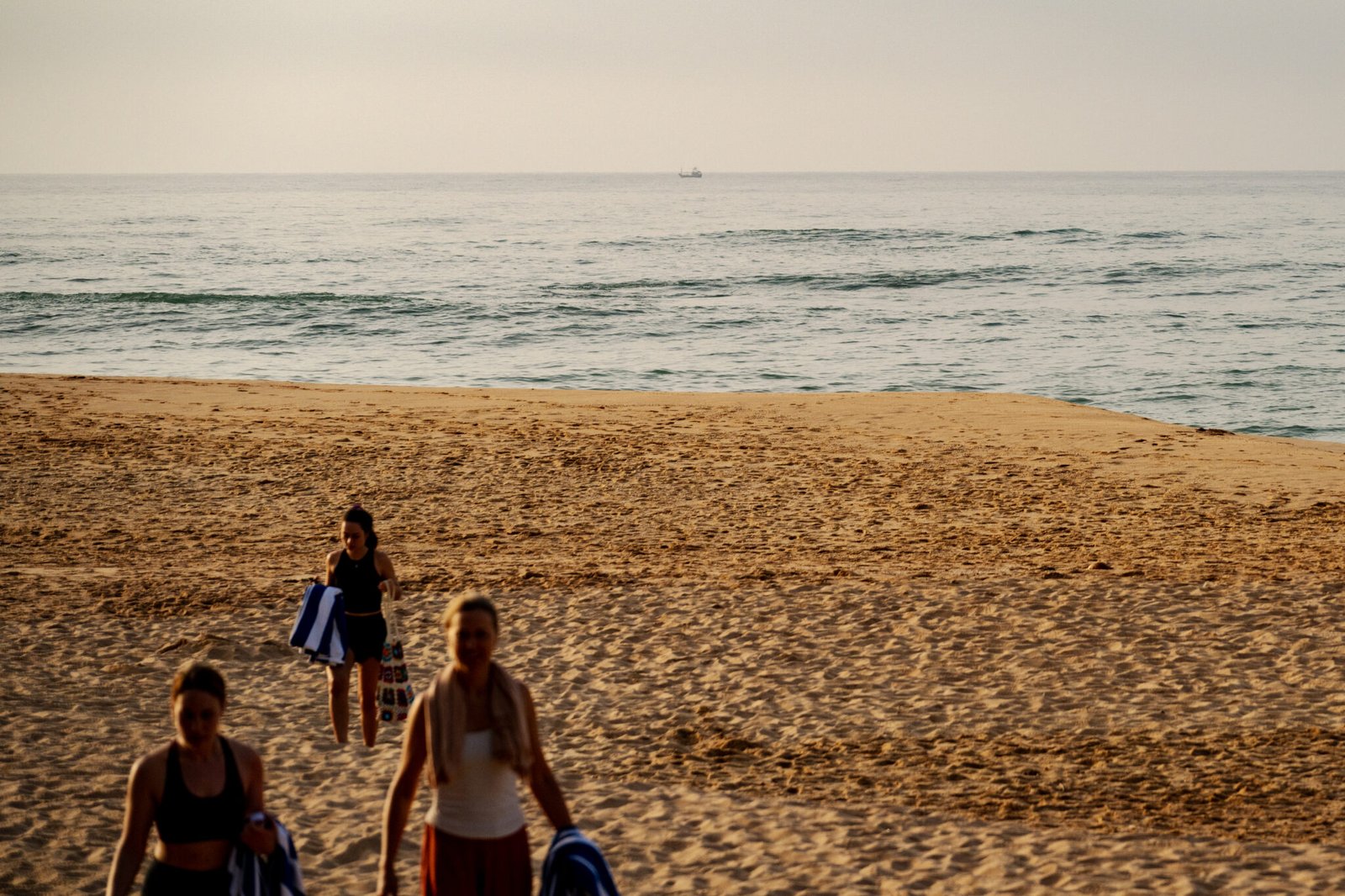
Tangalle is known for its broad bays, coves and fishing-port character. Sri Lanka Tourism describes the coastline around the town as a series of beaches rather than one single strip, which is part of the pleasure: a quiet walk one day, a different cove the next, a beach café or a book under a palm rather than a tightly scheduled activity.
Enjoy the shoreline as a place to slow down, but do not make blanket claims that a beach is safe for swimming. The UK government’s current Sri Lanka travel advice warns that many beaches can have dangerous surf or rip tides at certain times of year and advises travellers to seek local advice before entering the sea. Conditions can shift within a day. Look for warnings, follow local guidance and choose a different plan if the water does not look inviting.
Plan for: a flexible morning or late afternoon. A beach walk, photographs or a quiet read need no timetable; swimming and water activities need same-day local advice.
Meet Rekawa’s turtles with care, not expectation
Rekawa Beach is closely associated with sea-turtle conservation. Turtle Watch Rekawa says that the Turtle Conservation Project established a community-based, in-situ nest-protection and research programme there in 1996, later managed on a daily basis by the local community organisation Nature Friends of Rekawa. Its guidance is particularly useful because it puts the animals before the photo opportunity: it asks visitors not to request premature hatchling releases, and it says flash photography and flashlights are not permitted during guided night watching.
That makes a turtle watch an opportunity to learn about conservation, not a performance. No ethical guide should promise a sighting. Nesting is wildlife behaviour, and weather, season and simple luck matter. Check directly with the operator for the current meeting process, conservation rules, fees, accessibility and whether a visit is appropriate for children or guests with mobility needs.
If you do go, arrive quietly, follow the guide, keep a respectful distance and let the experience be what it is. A night with no turtle is still a night spent supporting a community-led effort to protect the beach.
Plan for: an evening only if a responsible local operator confirms that a watch is running and has space. Keep the following morning unhurried.
Look inland: Mulkirigala’s rock temple
For a change of pace, head inland to Mulkirigala Raja Maha Vihara. Sri Lanka Tourism calls it Tangalle’s most popular day excursion and places it about 20 kilometres north of town. The guide describes a succession of rock steps leading to natural caves with wall paintings and Buddha statues, followed by wide countryside views from higher up.
It is a meaningful cultural visit, and also a physical one. Wear clothing that is respectful for a religious site, bring water and choose footwear suitable for steps. Sri Lanka Tourism’s travel guidance asks visitors to show care around Buddhist imagery; do not pose disrespectfully alongside statues or murals, and follow the rules given by temple staff.
The exact amount of time needed depends on your transport, pace and the access conditions that day. Rather than promising a two-hour stop, set aside a half-day in your itinerary and verify opening hours, entry arrangements, photography rules and dress guidance locally before leaving. The time cushion is part of the pleasure.
Plan for: a half-day, plus time to sit down afterwards rather than rushing straight into another attraction.
Wander the town and eat with curiosity
Tangalle is a working town as well as a beach destination. The official guide notes its fishing-port identity and traces reminders of Dutch-era history in the town centre. That is enough reason to allow a little unstructured time: explore with your phone in your pocket for an hour, browse a local shop, stop for tea, notice what is being prepared for lunch.
Food is one of the easiest ways to understand the coast without treating culture as a backdrop. Sri Lanka Tourism’s food guide lists rice and curry, hoppers, string hoppers and pittu among the island’s familiar staples. On the south coast, ask a restaurant what is fresh, how a dish is spiced and whether it contains fish, dairy, coconut or other ingredients relevant to your diet. If you have an allergy, do not rely on a vague “vegetarian” label: explain your needs clearly and ask how the food is prepared.
Plan for: an unhurried lunch or dinner. Choose one restaurant or market stop rather than trying to collect a list of “must-eats”.
Make room for one restorative day
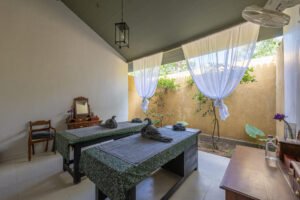
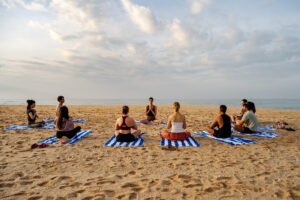
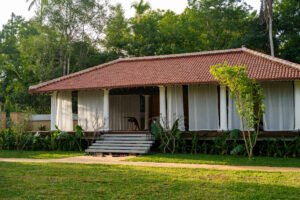
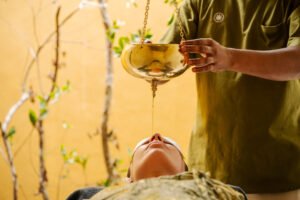
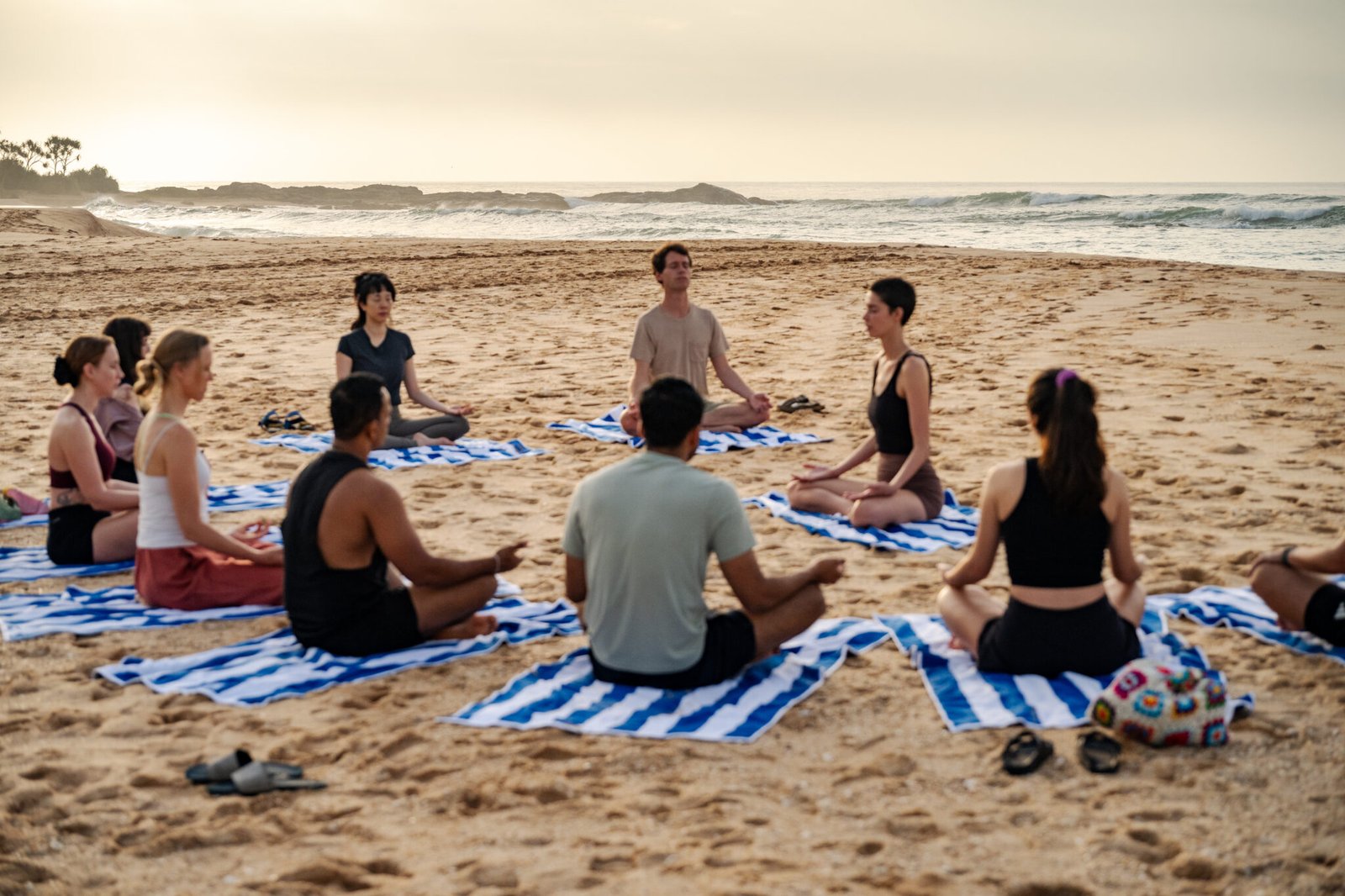
A wellness day belongs naturally in a Tangalle itinerary when it is an option, not an obligation. Rekawa Wellness Resort’s current Ayurveda page says its day programmes begin with a consultation and may include yoga and treatments selected by its Ayurvedic doctor. The team can help guests choose a programme that complements the pace of their stay.
Ask the resort what is currently available on your dates, what the programme includes, what it costs and how long it lasts. A day of yoga, nourishing food and quiet can be a lovely counterweight to long drives and busy sightseeing.
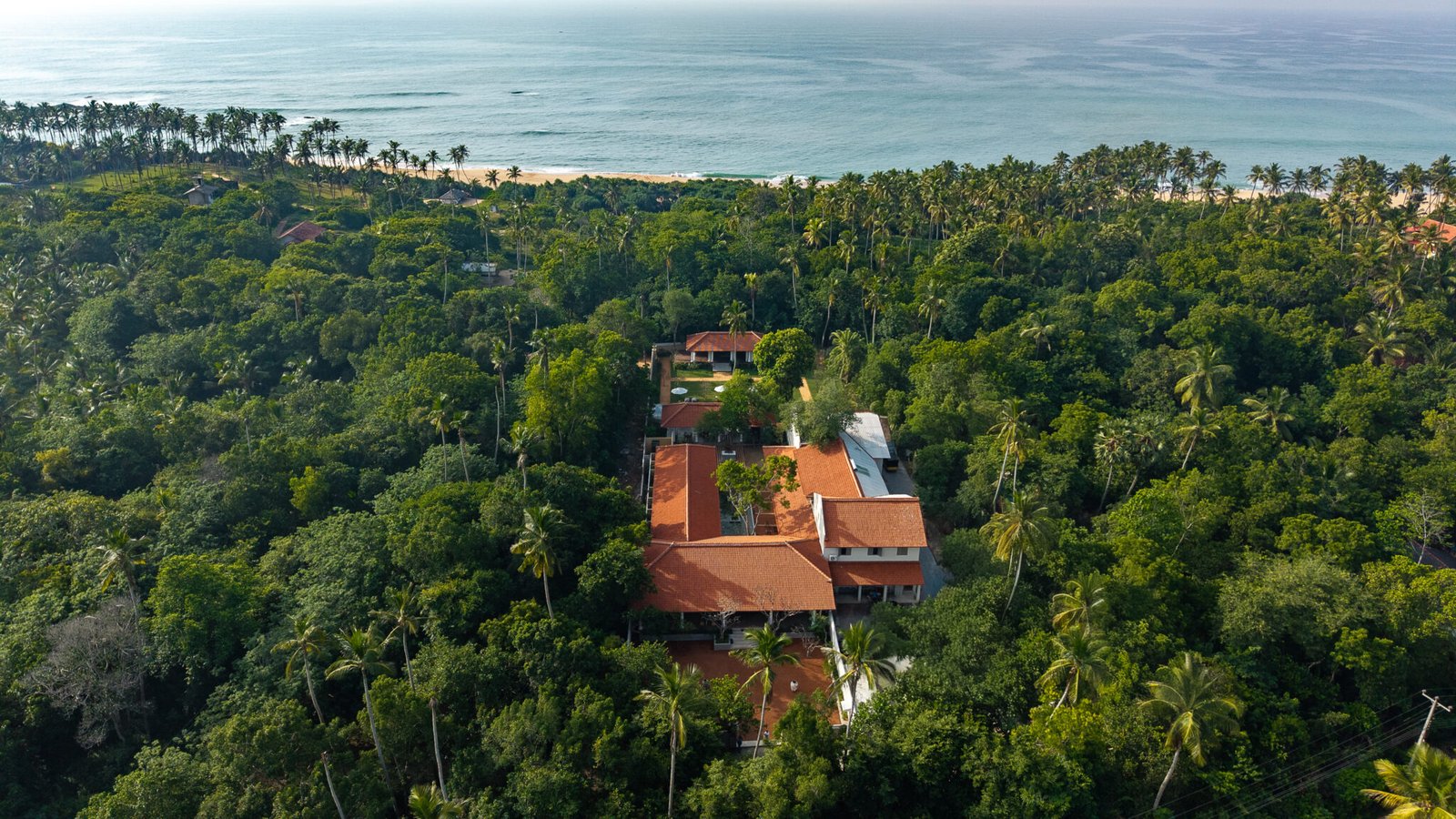
A thoughtfully paced wellness day creates space to rest, reset and enjoy the coast at an unhurried pace.
Plan for: one full unhurried day, only after confirming the programme directly with Rekawa.
A gentle three-day outline
This sample itinerary is intentionally spacious. Adjust it to the weather, your energy and verified local arrangements.
Day one: arrive and get your bearings
Arrive in Tangalle or Rekawa with no major commitment beyond settling in. Take a late-afternoon coastal walk if conditions are comfortable, enjoy dinner nearby and sleep early. This is the day to ask your host about the next day’s sea conditions, cultural visits and current transport.
Day two: coast by day, conservation in the evening
Choose one beach or cove for a slow morning. Do not build the day around swimming unless local advice says it is suitable. In the afternoon, rest, read or explore town. If Turtle Watch Rekawa confirms an ethical, available guided watch, reserve the evening for it; if not, enjoy a quiet dinner and treat the conservation visit as a reason to return another time.
Day three: inland culture or a retreat day
Pick one direction. Visit Mulkirigala with enough time for the steps and temple etiquette, or book a confirmed wellness day at Rekawa. Trying to squeeze both into one day can turn two thoughtful experiences into a series of hurried transfers.
Before you go: the small checks that matter
Tangalle is more enjoyable when you leave a few details undecided, but not the important ones. Before travel, check the current weather forecast, visa rules, transport arrangements and travel advice for your own nationality. Carry sun protection and water. Respect temples and wildlife. If plans involve the sea, treat advice from people on the ground as more valuable than an old travel article.
For travellers staying near Rekawa, a map is particularly useful—but it should be accurate. Before publishing, add a custom map showing verified resort access, the checked walking route to the beach, the Turtle Watch visitor centre, Tangalle town, Mulkirigala and any recommended facilities. Include a date-stamp and a note that conditions and hours can change.
Tangalle’s appeal is not that every minute is spectacular. It is that a day can have a little space around it: sea air in the morning, a temple in the hills, a meal worth lingering over, an evening in which the only useful plan is to look up.
If you would like to combine a calmer south-coast stay with yoga, Ayurveda or a day programme, send Rekawa an enquiry. The team can confirm current accommodation, programme and local-planning details for your dates.